

Have you ever wondered why we can twist our fingers into various positions effortlessly? Or perhaps you’ve noticed people subconsciously forming certain finger shapes when deep in thought or conversation? If so, you’ve witnessed the fascinating phenomenon known as finger posturing. From the classic peace sign to intricate hand gestures used in sign language, finger posturing has played an integral role in human communication and expression throughout history. In this article, we will delve deeper into what exactly finger posturing is, explore its origins, and reveal some intriguing facts that will surely leave you amazed. So, prepare to unlock the secrets of this remarkable aspect of human anatomy and behavior.
– Understanding Finger Posturing: A Comprehensive Insight
Finger posturing is a fascinating aspect of human behavior that reveals much about our thoughts, emotions, and intentions. Whether we consciously realize it or not, the way we position our fingers can convey powerful messages to those around us. In this comprehensive insight, we will delve into the various types of finger posturing and explore their meanings.
1. Closed Fist: When someone forms a closed fist, it usually signifies determination, strength, or even frustration. This gesture often indicates that the person is firm in their beliefs or is preparing for a challenge. However, be aware that a closed fist can also convey aggression or anger in certain contexts.
2. Pointing Finger: Pointing a single finger, either straight or slightly bent, is a common gesture used for directing attention or emphasizing a particular point. It indicates certainty, authority, and precision. When used excessively, it can come across as pushy or confrontational, so remember to use it sparingly and appropriately.
3. Thumb Up: This universally recognized gesture symbolizes approval, agreement, or satisfaction. Giving someone a thumbs-up sends a positive message, expressing that you support their actions or decisions. It’s a great way to provide encouragement or show appreciation in a non-verbal manner.
4. Crossed Fingers: Often used in a superstitious context, crossing one’s fingers by folding the index and middle finger over the thumb represents a hope for luck or success. It’s commonly used when someone wants to express a desire for something to happen, often combined with wishing or hoping.
Remember, finger posturing is just one part of non-verbal communication, and its interpretation can vary across cultures and contexts. Paying attention to these subtle cues can enhance our understanding of others and enable us to communicate more effectively. So, the next time you notice someone’s finger posturing, take a moment to reflect on the message they might be conveying without uttering a single word.
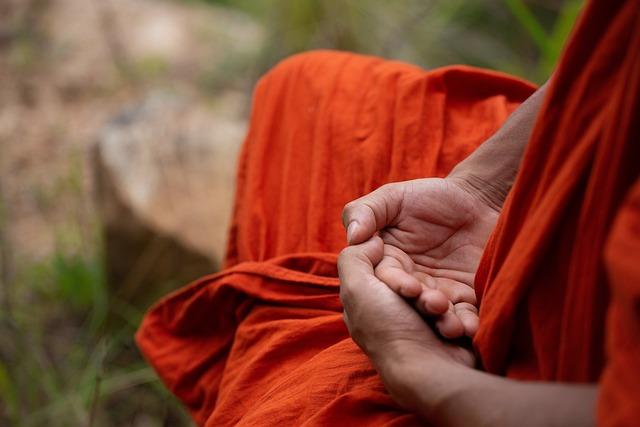
– The Basics of Finger Posturing: An Introduction
Finger posturing is an essential technique that can greatly enhance your communication skills, particularly in today’s digital age where typing has become second nature. With the ability to convey messages swiftly and effortlessly, mastering the art of finger posturing can revolutionize your interactions with others.
In finger posturing, proper hand positioning is crucial to effectively express your thoughts and emotions. Here are some key principles to remember:
1. Relax your fingers: Begin by ensuring your fingers are relaxed, allowing for increased speed and accuracy. A tense hand can impede the flow of your gestures, limiting the success of your finger posturing.
2. Maintain a neutral hand position: Position your fingers naturally, keeping them slightly curved. This not only facilitates fluid movement but also reduces strain and fatigue during long typing sessions.
3. Utilize thumb control: The thumb is a powerful tool in finger posturing. Use it to navigate across the keyboard efficiently, taking advantage of its natural dexterity.
Remember, finger posturing is not limited to the keyboard alone. It extends to various digital devices, including smartphones and tablets. By practicing these basic techniques, you will be well on your way to unlocking a new level of fluidity and speed in your digital interactions. So, go ahead and make finger posturing an integral part of your communication repertoire.
– Decoding Finger Posturing: Common Causes and Symptoms
Decoding Finger Posturing: Common Causes and Symptoms
Finger posturing refers to the various positions and movements our fingers may assume under certain circumstances. While it can often be harmless and reflect harmless gestures, it can occasionally be a sign of an underlying medical condition. Understanding the causes and symptoms of finger posturing can help shed light on any potential concerns one may have.
Common Causes:
- Neurological disorders: Conditions like Parkinson’s disease, dystonia, or cerebral palsy can lead to abnormal finger posturing due to altered nerve signals or muscle control.
- Genetic factors: Certain genetic disorders, such as Rett syndrome or Lesch-Nyhan syndrome, can cause unusual finger movements that extend beyond normal gestures.
- Injury or trauma: Finger posturing can also result from a previous injury or trauma, causing joint or ligament damage that affects finger positioning.
Common Symptoms:
- Involuntary movements: Uncontrolled finger spasms, twitches, or tremors are potential symptoms of certain neurological conditions, which may manifest as abnormal posturing.
- Limited range of motion: Difficulty flexing or extending fingers fully can indicate joint stiffness or other musculoskeletal issues affecting finger movements.
- Repetitive finger actions: Constant finger tapping, rubbing, or clasping may be repetitive behaviors associated with certain conditions, such as obsessive-compulsive disorder or autism spectrum disorders.
Recognizing the potential causes and symptoms of finger posturing can be crucial for early detection and appropriate medical intervention. It is always recommended to consult a healthcare professional if you have any concerns or notice persistent abnormal finger movements.
– Unveiling Finger Posturing Techniques: From Simple Gestures to Complex Movements
Understanding Finger Posturing Techniques
In the realm of non-verbal communication, finger posturing plays a significant role in conveying messages, expressing emotions, and even revealing aspects of one’s personality. From simple gestures to intricate movements, our fingers possess an incredible dexterity that has captivated human fascination since time immemorial.
Mastering finger posturing techniques not only enhances our ability to effectively communicate, but also enables us to connect with others on a deeper level. In this post, we will explore a range of finger posturing techniques, providing insights into both their meanings and practical applications. Whether you want to refine your body language skills or simply gain a deeper understanding of this expressive form of communication, we have got you covered.
Simple Gestures:
Starting with the basics, simple gestures allow us to convey various messages effortlessly. These include:
- The Point: Pointing with one finger is a universal gesture used to direct attention or indicate a specific object or location.
- The Thumbs-Up: A universally known sign of approval or affirmation, the thumbs-up gesture conveys positivity and agreement.
- The Peace Sign: Forming a “V” shape with the index and middle finger is a well-known symbol for peace and harmony.
Complex Movements:
As we delve deeper into finger posturing, complex movements allow for more nuanced expressions:
- The Steeple: Bringing the fingertips together in a pyramid shape indicates confidence, authority, and intellectual prowess.
- The Finger Wipe: A subtle way of conveying doubt or disbelief, this gesture involves gently wiping one finger against another.
- The Finger Drumming: Tapping one’s fingers on a surface rhythmically can signify impatience or deep contemplation.
Remember, finger posturing is a language in itself, and like any language, its nuances require observation and practice. By familiarizing yourself with these techniques, you’ll unlock a new dimension of non-verbal communication, enriching your interactions and understanding of others.

– The Link Between Finger Posturing and Neurological Disorders
Finger posturing, also known as abnormal finger positioning or hand posture, has been observed in various neurological disorders. This peculiar phenomenon occurs when individuals hold their fingers or hands in unusual positions, often unintentionally. While it may seem harmless or insignificant, finger posturing can provide crucial insights into the functioning of the nervous system and aid in the diagnosis of underlying conditions.
Several neurological disorders are associated with distinct types of finger posturing, making it an important diagnostic indicator for healthcare professionals. Some of these conditions include:
1. Parkinson’s Disease: In the early stages of Parkinson’s, individuals may exhibit a characteristic finger flexion while at rest. This flexion, known as “resting hand tremor,” is a common manifestation of the disease and can help differentiate it from other movement disorders.
2. Dystonia: Finger posturing is often observed in dystonia, a neurological disorder characterized by sustained muscle contractions. In focal hand dystonia, individuals may present with abnormal finger movements or positioning, such as curling or repetitive tapping motions.
3. Stroke: Finger posturing can be an important sign in identifying the type and location of a stroke. For instance, in a condition called “decerebrate posturing,” the fingers and hands extend outward, indicating damage to certain areas of the brainstem.
Careful observation and analysis of finger posturing can provide valuable information for healthcare professionals during the diagnostic process. It is crucial to note that finger posturing alone is not a conclusive diagnostic criterion, but rather a piece of the puzzle that, when combined with other clinical assessments, can help determine the underlying neurological disorder. If you or someone you know is experiencing unusual finger positioning, it is always recommended to seek professional medical advice for a comprehensive evaluation.
– Finger Posturing as a Nonverbal Communication Tool: Insights and Implications
Nonverbal communication plays a crucial role in our everyday interactions, and finger posturing is one such tool that carries significant insights and implications. This subtle yet powerful form of communication has been observed across cultures and generations, serving as a means to convey emotions, thoughts, and intentions. Understanding and interpreting finger posturing can provide valuable insights into a person’s mindset and create a more meaningful connection.
Insights:
- Finger posturing can indicate various emotions and states of mind, such as confidence, hesitancy, frustration, or excitement. It often complements verbal communication, enhancing the overall message being conveyed.
- Specific finger postures, such as pointing, can be used to direct attention or indicate a target, making it a powerful tool for guiding group dynamics and focusing individuals’ attention towards a particular subject or object.
- Hand gestures involving the fingers can also signify cultural nuances and meanings. For example, the “okay” hand sign may vary in interpretation depending on the cultural context and can range from a positive affirmation to an offensive gesture.
Implications:
- Being aware of finger posturing can help individuals to better understand and respond to nonverbal cues, fostering effective communication and empathy in various social and professional settings.
- In certain fields, such as psychology, education, or negotiation, the study of finger posturing can contribute to a more comprehensive analysis of nonverbal behavior and aid in deciphering a person’s underlying motivations or thoughts.
- Despite its potential benefits, misinterpretation of finger posturing can lead to misunderstandings or even conflict. It is essential to be cautious when interpreting these gestures and consider cultural, contextual, and individual factors before drawing conclusions.
Overall, finger posturing serves as a remarkable nonverbal communication tool, offering valuable insights into human behavior and enabling meaningful interactions. Its implications reach far beyond mere hand movements, providing avenues for improved communication and understanding in our diverse and interconnected world.
– Assessing Finger Posturing: When and How to Seek Medical Advice
Assessing Finger Posturing: When and How to Seek Medical Advice
Understanding the signs and symptoms associated with finger posturing can help identify potential underlying medical issues. While it is common for individuals to occasionally have their fingers in varying positions, persistent or abnormal finger posturing can be indicative of a more serious condition. Here are some important factors to consider when assessing finger posturing and determining if medical advice is necessary:
Symptoms to Watch Out For:
- Stiffness: If your fingers frequently feel stiff and resistant to movement, this could be a sign of an underlying medical condition.
- Involuntary movements: Uncontrollable finger movements, such as twitching or jerking, might suggest a neurological disorder.
- Locked joints: If your fingers get stuck in a particular position and require manual assistance to return to normal, it is important to consult a medical professional.
Common Causes:
Finger posturing can be caused by various factors, including:
- Neurological disorders, such as Parkinson’s disease or dystonia.
- Traumatic injuries, which can lead to finger deformities or abnormal posturing.
- Arthritis, a common condition that can affect finger joints and cause changes in finger positioning.
When to Seek Medical Advice:
If you experience any persistent or concerning finger posturing, it is recommended to seek medical advice. A healthcare professional will be able to assess your symptoms, perform a physical examination, and order any necessary tests to determine the underlying cause. Early intervention and accurate diagnosis play a crucial role in managing and treating potential underlying conditions.
– Managing Finger Posturing: Tips and Techniques for Everyday Life
Managing Finger Posturing: Tips and Techniques for Everyday Life
Do you find yourself constantly fidgeting with your fingers or unintentionally striking unusual poses? Finger posturing can be a challenging habit to break, but with a few simple techniques and mindfulness exercises, you can start managing this habit in your everyday life. Here are some tips to help you regain control over your finger movements:
- Recognize triggers: Start by identifying the triggers that cause you to engage in finger posturing. It could be stress, anxiety, boredom, or even just a bad habit. By understanding the root cause, you can better tackle the issue at hand.
- Practice mindfulness: Mindfulness exercises can be highly effective in managing finger posturing. Engage in deep breathing exercises or meditation to help reduce stress and increase your self-awareness. When you catch yourself getting into a finger posture, gently redirect your attention and focus on the present moment.
- Find alternatives: If finger posturing has become an automatic response, try finding healthier alternatives to channel your energy. Squeeze a stress ball, hold a small object, or doodle on a notepad to keep your hands occupied in a productive way.
Remember, breaking habits takes time and patience. By implementing these techniques and practicing them consistently, you can gradually overcome finger posturing and regain control over your movements. Stay committed, and don’t be too hard on yourself – progress is a journey, and small steps forward are still steps in the right direction
– Preventing Finger Posturing: Strategies for Promoting Hand Wellness
Hand wellness is crucial for maintaining optimal finger health and minimizing the risk of finger posturing. By implementing a few simple strategies, you can effectively prevent finger posturing and ensure the well-being of your hands. Here are some practical tips to promote hand wellness:
1. Ergonomic Workstations: Create a comfortable and supportive environment by adjusting your workstation ergonomically. Position your keyboard and mouse at a height and angle that allows your fingers to rest naturally. Use an ergonomic chair that supports good posture and aligns your hands with the desk.
2. Regular Stretching Exercises: Incorporate finger and hand stretching exercises into your daily routine to improve flexibility and reduce muscle tension. Start by making a fist, then slowly extend your fingers and repeat the motion several times. Additionally, gently bend each finger backward and forward to improve mobility and promote blood flow.
3. Take Frequent Breaks: Avoid prolonged periods of repetitive finger movements by taking regular breaks. Make it a habit to pause and relax your hands, allowing them to rest and recover from any stress or strain. During these breaks, consider performing additional stretching exercises or using a stress ball to engage your fingers in a different way.
4. Stay Hydrated: Proper hydration plays a vital role in maintaining hand wellness. Water helps keep your joints lubricated, which is highly beneficial for your fingers. Remember to drink enough water throughout the day to ensure optimum hand health.
By following these strategies, you can effectively prevent finger posturing and promote hand wellness. Remember, taking small steps towards caring for your hands now will result in long-term benefits and overall well-being. Give your fingers the attention they deserve, and enjoy a healthier, happier you!
– The Future of Finger Posturing: Advances and Research in the Field
Finger posturing, a fascinating field that has grown rapidly over the years, is poised to have an exciting future filled with groundbreaking advances and innovative research. Scientists and experts are continually pushing the boundaries of this discipline, exploring new possibilities and refining existing techniques. Let’s delve into some of the most promising developments in the field of finger posturing that hold immense potential.
Advances in Technology:
As technology evolves, so does finger posturing. Researchers are actively developing sophisticated devices and tools that enable more precise and intricate movements. Some of the notable advancements include:
- Haptic gloves: These gloves incorporate touch-sensitive sensors that allow users to manipulate virtual objects with their fingers, providing a realistic and immersive user experience.
- Brain-computer interfaces (BCIs): BCIs enable individuals to control their finger posturing using neural signals, opening up new avenues for individuals with mobility impairments.
- 3D printing: This technology allows for the creation of customized finger splints and braces, revolutionizing posturing rehabilitation and offering tailored solutions for patients.
Research Areas:
Researchers are actively exploring various domains within finger posturing, seeking a deeper understanding of its applications and potential benefits. Here are some areas that are currently gaining significant attention:
- Medical applications: Scientists are investigating how finger posturing can aid in the rehabilitation of patients with conditions like stroke, arthritis, and cerebral palsy, facilitating improvements in motor skills and overall quality of life.
- Educational tools: Promising research is focused on developing interactive finger posturing systems for children, enhancing fine motor skills, hand-eye coordination, and cognitive abilities.
- Augmented reality: Exploratory studies are merging finger posturing with augmented reality technology to create intuitive and hands-free user interfaces, potentially revolutionizing how we interact with digital content.
The future of finger posturing looks bright, with technological advancements and ongoing research paving the way for unprecedented capabilities. As our understanding of this field deepens, the possibilities for leveraging finger posturing in rehabilitation, education, and human-computer interaction continue to expand, promising a future where our fingers become powerful tools for expression and empowerment.
Frequently Asked Questions
Q: What is finger posturing?
A: Finger posturing refers to the various positions and movements of the fingers, specifically when used in communication or expression. It involves the deliberate positioning of fingers to convey meaning or to emphasize a point.
Q: What are some common finger posturing gestures?
A: There are several commonly recognized finger posturing gestures, such as pointing, thumbs-up, victory sign, and crossing fingers for luck. These gestures are often used to communicate ideas, convey emotions, or provide nonverbal cues.
Q: Why do people use finger posturing?
A: People use finger posturing as a means of nonverbal communication to enhance or supplement their spoken messages. It can help convey emotions, emphasize important points, or direct attention to specific objects or individuals.
Q: Are there cultural differences in finger posturing?
A: Yes, finger posturing can vary across different cultures. Certain gestures may hold different meanings or be considered rude or offensive in some cultures but completely acceptable in others. It is important to be mindful of cultural differences to avoid misunderstandings or inadvertently causing offense.
Q: Can finger posturing be used for non-communication purposes?
A: Finger posturing is not limited to communication purposes alone. It can also serve practical purposes like pointing out objects or expressing physical discomfort or pain. Additionally, some individuals with conditions like autism or cerebral palsy may use specific finger posturing techniques as a form of therapy or self-expression.
Q: Can finger posturing gestures change their meaning over time?
A: Yes, the meaning of finger posturing gestures can indeed change over time. Some gestures that were once universally understood may evolve in meaning or become obsolete. It is essential to stay updated on cultural shifts and contexts to ensure that intended messages are accurately conveyed.
Q: What are some considerations when using finger posturing gestures in a global context?
A: When using finger posturing gestures in a global context, it’s crucial to be aware of cultural differences and potential misunderstandings. To avoid confusion, it is recommended to research and familiarize oneself with local customs and gestures before engaging in cross-cultural communication.
Q: Are there any challenges associated with finger posturing?
A: While finger posturing can be an effective form of nonverbal communication, it can also present challenges. Misinterpretation, cultural insensitivity, or inadequate knowledge of specific gestures can lead to misunderstandings. It is essential to exercise sensitivity, awareness, and openness to effectively navigate finger posturing in various contexts.
Q: Can finger posturing differ between individuals?
A: Yes, finger posturing can vary between individuals to some extent. Factors such as personal preferences, customizations, or physical limitations can influence how an individual uses finger posturing and the specific gestures they employ.
Q: How can one learn more about finger posturing and its meanings?
A: Learning about finger posturing and its meanings can be done through self-education, cultural immersion, or formal training. Online resources, books, cultural studies, and observing the gestures used in different communities can all contribute to a deeper understanding of finger posturing.
The Conclusion
Finger posturing is a common phenomenon characterized by various hand positions. It can convey emotions or indicate neurological conditions. Understanding its significance can facilitate better communication and awareness of certain health conditions.
Get our latest guides, news, and insights highlighted in your Google Search & AI Overviews.

