

Struggling with persistent lower back pain can hinder daily activities and affect overall quality of life. Finding the right exercise machine tailored to alleviate discomfort and strengthen the back is crucial. This guide explores the most effective equipment designed to support your back health, helping you regain strength and mobility in your everyday routines.
## Understanding Lower Back Problems: Causes and Symptoms
Common Causes of Lower Back Problems
Lower back problems often stem from a variety of factors, including:
- Muscle or ligament strains: Sudden awkward movements can lead to strains.
- Herniated discs: Discs that cushion the vertebrae can bulge or rupture, pressing on nerves.
- Spinal stenosis: Narrowing of the spinal canal can compress nerves.
- Arthritis: Joint inflammation in the lower back can exacerbate pain.
symptoms of Lower Back Issues
The symptoms of lower back problems can vary widely but typically include:
- Pain: This can be localized or radiating, especially when standing or walking.
- Stiffness: Difficulty in moving or bending can indicate underlying issues.
- Sciatica: Pain that travels down the leg indicates nerve involvement.
- Weakness or numbness: These sensations in the legs may also signal nerve compression.
Identifying the Right Exercise Machine
Choosing the best exercise machine for lower back problems involves selecting equipment that promotes spinal health without strain. Consider:
- Treadmills: Offer low-impact cardio options that improve endurance.
- Stationary bikes: Excellent for strengthening the lower body with minimal impact.
- Ellipticals: Provide a full-body workout with lower impact on the back.
Always consult with a healthcare professional before starting any exercise regimen, especially if you experience persistent lower back pain. This ensures your chosen exercises are suitable for your specific condition.

## What Is the Best Exercise Machine for lower Back Problems? Key Features to Consider
Key Features to Consider
When selecting an exercise machine for lower back problems, it’s essential to focus on features that promote safety and effectiveness. Look for the following:
- Adjustable settings: Machines with adjustable resistance and settings allow users to tailor workouts to their specific needs, making it easier to build strength without overexertion.
- ergonomic Design: Choose equipment that offers a comfortable, supportive design. Machines with properly padded seats and back support can considerably reduce strain and discomfort during workouts.
- Low-Impact Options: Prioritize low-impact machines like elliptical trainers or stationary bikes,which minimize stress on the back while providing effective cardiovascular exercise.
Recommended Exercise Machines
Several machines are especially effective for users with lower back issues. These include:
Treadmills
Treadmills can be beneficial for gentle walking exercises. Avoid running; rather,maintain a brisk walking pace on an incline to enhance strength without excessive impact.
Elliptical Trainers
These machines offer a smooth motion that helps strengthen back muscles while reducing the load on joints. The dual-action handlebars can engage the upper body, promoting overall fitness.
Stationary Bikes
Stationary bikes,particularly recumbent models,provide excellent support for the back while allowing for an effective workout that strengthens the legs and core without stress.
| Machine Type | Benefits | Considerations |
|---|---|---|
| Treadmill | Improves cardiovascular health; customizable pace | Use at a walking pace; avoid running |
| Elliptical | Low-impact; works both upper and lower body | Ensure proper use to avoid undue strain |
| Stationary Bike | Supports the back; strengthens leg muscles | Fit must be correct to avoid discomfort |
By selecting the right equipment with these key features, individuals with lower back problems can engage in exercise safely, promoting recovery and overall health.

## Top Exercise Machines Recommended for lower Back Recovery
Low-Impact Exercise Machines for Strengthening the Lower Back
When addressing lower back recovery,selecting the right exercise machines can significantly enhance your rehabilitation efforts. Here are some top options to consider:
- Back Extension Machine: This machine targets the lower back muscles, promoting strength and endurance. To use, position yourself comfortably, securing your legs, and slowly extend your back while maintaining alignment.
- Smith Machine: Excellent for performing controlled squats and other exercises that engage the lower back without risking injury. Ensure proper form by keeping your spine neutral throughout the movement.
- Elliptical Trainer: Providing a low-impact cardiovascular workout, the elliptical helps reduce strain on your back while improving overall fitness.Focus on maintaining a consistent pace to promote easier recovery.
Essential Features to Look For
Choosing the right machine involves considering various features that can aid in your lower back recovery:
- Adjustability: Look for machines that allow for personalized settings to accommodate your body type and fitness goals.
- Padding and Support: Ensure adequate cushioning and back support to minimize discomfort during use.
- Rage of Motion: Machines that allow full range movement are ideal for promoting adaptability and strength.
Guidelines for Safe Usage
To maximize safety and effectiveness while using these machines, follow these guidelines:
- Warm-Up: Begin each session with a gentle warm-up to prepare your muscles.
- Start Slow: Gradually increase the intensity and duration of your workouts to prevent overexertion.
- Consult a Professional: Consider working with a physical therapist or personal trainer to ensure safe and effective exercise techniques.
Recovery and Monitoring Progress
Track your recovery and progress by keeping a journal of your workouts and noting any changes in pain or flexibility levels.This monitoring can help tailor your exercise regimen as you advance in your recovery journey.
## Essential exercises for Lower Back Relief Using Exercise Machines
Understanding the Role of Exercise Machines
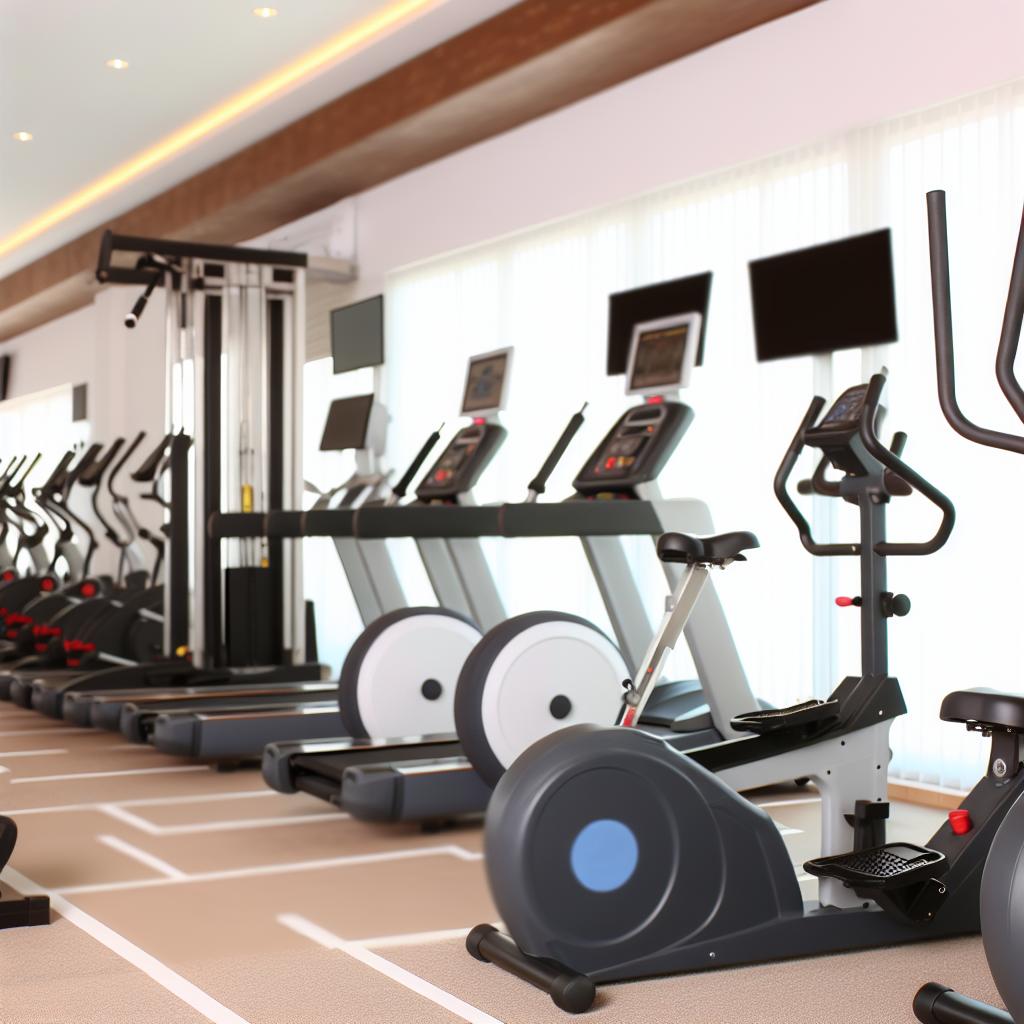
Incorporating exercise machines into your routine can significantly enhance the effectiveness of your lower back relief efforts. Here are some essential machines that target the back muscles while providing stability:
- Low Row Machine: This machine effectively engages the lats, delts, and erector spinae, strengthening the entire back area and promoting better posture.
- Back Extension Machine: Ideal for isolating and strengthening the lower back muscles, this machine supports your body while you perform extensions, ensuring proper form.
- Hyperextension Bench: A versatile piece of equipment that encourages flexibility and strength in the lower back, enhancing core stability.
Key Exercises for Relief
1. Low Rows
using the low row machine, follow these steps to strengthen your lower back:
- adjust the seat and footrests for comfort.
- Grip the handles, keeping your back straight.
- Pull the handles towards your waist while squeezing your shoulder blades together.
- Slowly return to the starting position and repeat for 10-15 reps.
2.Back extensions
To utilize the back extension machine:
- Position yourself on the machine with your hips over the pad.
- Cross your arms over your chest or place your hands behind your head.
- Lower your upper body untill you feel a stretch in your lower back.
- Engage your back muscles to return to the starting position, completing 10-12 reps.
3. Hyperextensions
To perform hyperextensions on a bench:
- Set the height of the bench so your hips can hinge freely.
- Position yourself face down, securing your feet under the footpads.
- Lower your upper body slowly and then lift it back to neutral alignment.
- Repeat this for 10-15 reps.
Incorporating Machines into Your Routine
For optimal lower back relief, aim to incorporate these exercises into your regular workout schedule. Combining strength training with flexibility exercises, such as stretching, can definitely help maintain a healthy lower back. Always listen to your body and adjust weights and repetitions to your fitness level.

## Practical Solutions: How to Incorporate Exercise Machines into Your Routine
Choosing the Right Machine
To effectively incorporate exercise machines into your routine, particularly for alleviating lower back problems, it’s essential to select the right equipment. Some of the most beneficial machines include:
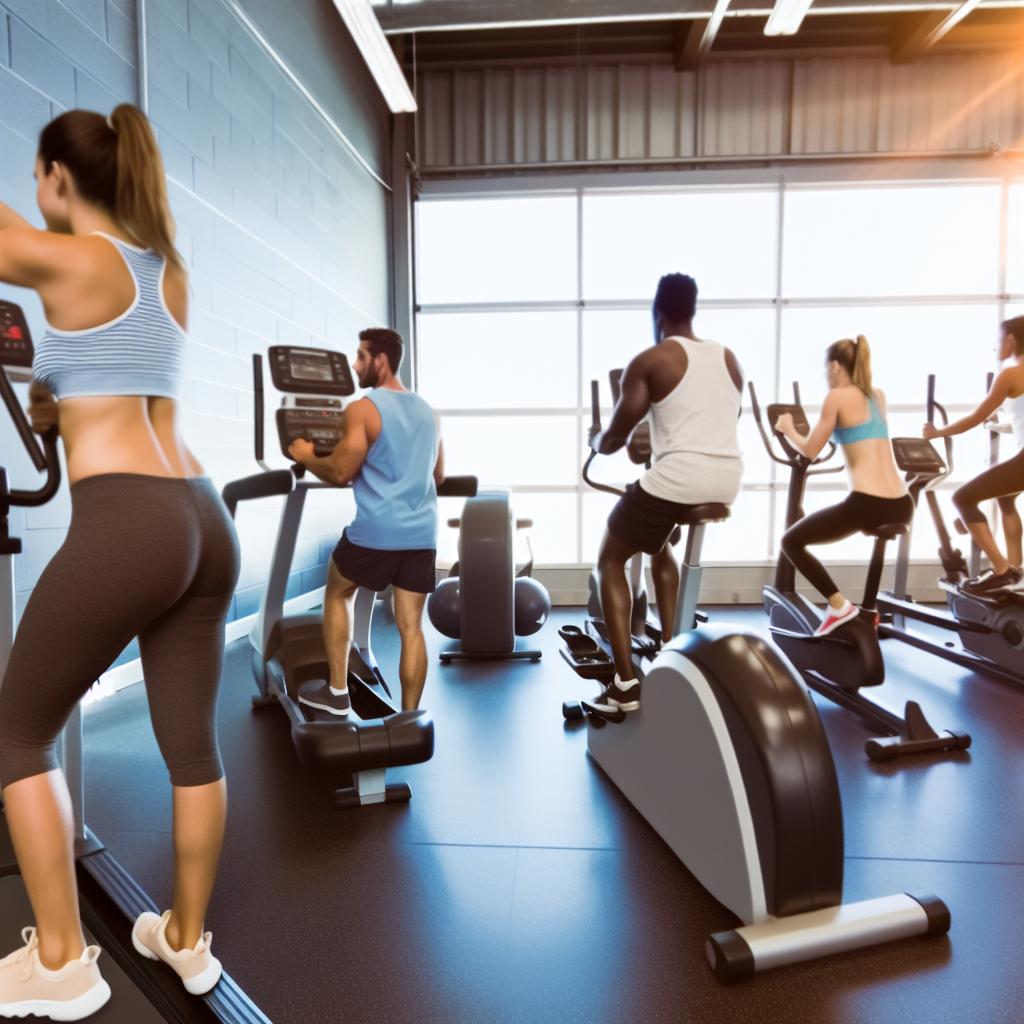
- Elliptical Trainer: Provides a low-impact workout that enhances cardiovascular fitness while minimizing stress on the back.
- Recumbent Bike: Supports the lower back and allows for a comfortable seated position, making it ideal for those with back pain.
- Rowing Machine: Engages multiple muscle groups; ensure that you maintain proper form to prevent strain.
Integrating Machines into Your Routine
When incorporating these machines into your routine, consider the following steps:
1. Set a Schedule
Commit to a consistent workout schedule, aiming for at least 30 minutes, 3-4 times a week. This regularity will help reinforce strength and flexibility in the back.
2. Perform Warm-Up and Cool Down
Always include a warm-up and cool down to reduce the risk of injury:
- Warm-Up: 5-10 minutes of light stretching or dynamic movements.
- Cool Down: 5-10 minutes of gentle stretches focusing on the back and legs.
3. Focus on Form
When using the machines, be mindful of your posture:
- Keep your back straight and shoulders relaxed.
- Engage your core to support your spine.
- Avoid excessive leaning or hunching that may strain the back.
sample weekly Routine
| Day | Machine | Duration |
|---|---|---|
| Monday | Elliptical Trainer | 30 minutes |
| Wednesday | Recumbent Bike | 30 minutes |
| Friday | Rowing Machine | 30 minutes |
Listen to Your Body
While incorporating exercise machines, it is crucial to listen to your body. If you experience discomfort or pain, make adjustments to your routine. Always consult with a healthcare professional or a certified trainer to ensure that your exercise regime aligns with your specific health needs and limits.
## Common Challenges When Using Exercise Machines for Lower Back Issues
Understanding Common Challenges
Using exercise machines for lower back issues presents several challenges that can hinder progress. It is indeed essential to recognize these hurdles to adjust your workout routine effectively and ensure safe practice:
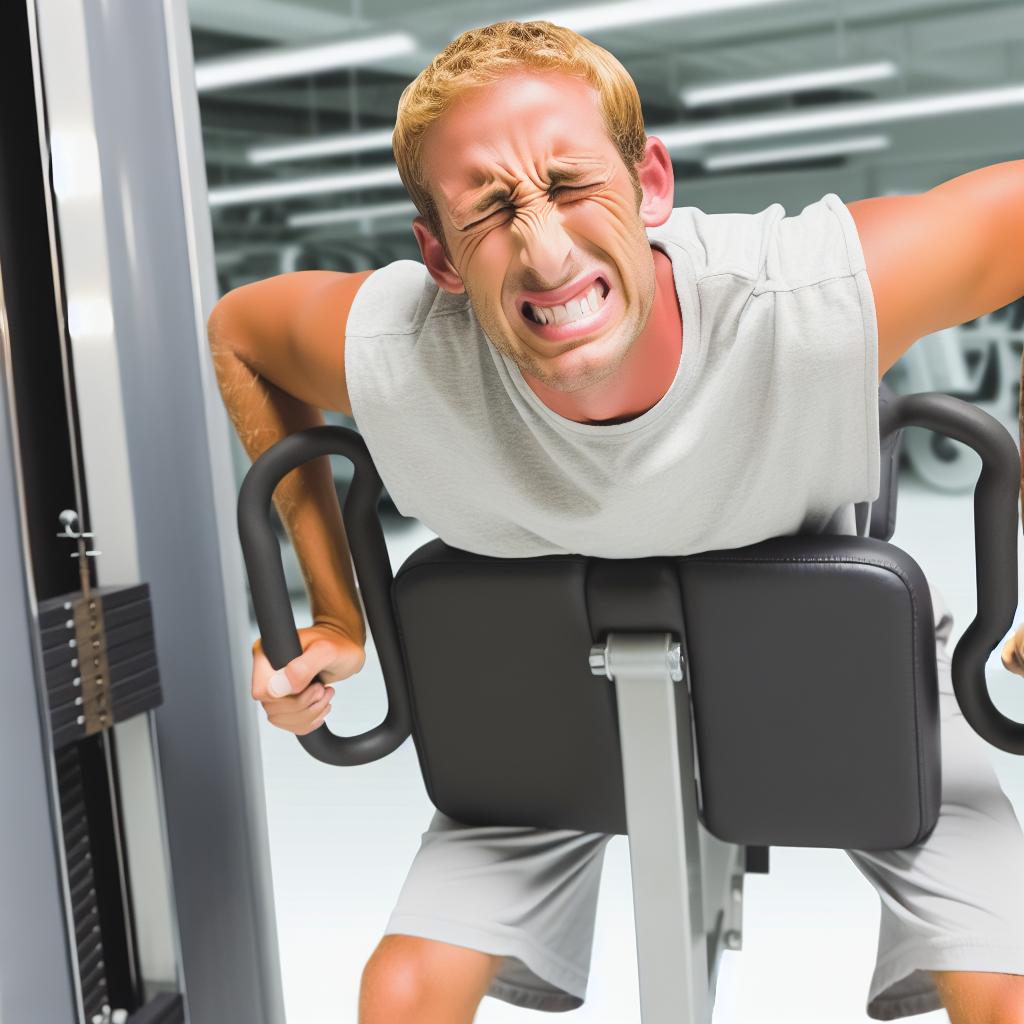
- Improper Machine Use: Many individuals lack knowledge about the correct usage of exercise machines, leading to ineffective workouts and potential injury. Always take the time to read instructions or ask a trainer for guidance.
- Height and Adjustment Issues: Machines frequently enough require adjustments to accommodate different body types. Failing to adjust seat heights or backrests can strain your lower back, negating the benefits of your workout.
- Poor Posture: Maintaining poor posture while exercising can exacerbate back pain. Focus on keeping your spine aligned and shoulders back to protect your lower back during workouts.
Strategies for Overcoming Challenges
to maximize the benefits of exercise machines while minimizing discomfort, consider the following strategies:
Proper Preparation
- Always warm-up with light stretching or walking to prepare your muscles.
- Engage your core muscles during exercises to provide additional back support.
Choosing the Right Machine
Select machines that promote lower back strength without placing undue stress on your spine, such as:
- Back Extension Machines: Strengthen the lower back muscles safely.
- Seated Row Machines: Improve back strength while maintaining proper posture.
Regular Check-ins
Monitor your body’s responses to workouts. If you experience pain, stop the exercise and consult a fitness professional or healthcare provider to adjust your routine.
## Step-by-Step Techniques to Alleviate Lower Back Pain at Home
Understanding Lower Back Pain Relief Mechanisms
Lower back pain can be alleviated effectively with the right approach at home. Focusing on strengthening exercises and stretching routines can provide notable relief. Below are some techniques to incorporate:
- Gentle Stretches: Perform stretches like the child’s pose and cat-cow stretch to improve flexibility.
- Strength-Building Exercises: Engage in core-strengthening activities such as planks and bridges to support the back.
- Low-Impact Aerobics: Utilize stationary bikes or elliptical trainers to enhance cardiovascular health without straining the lower back.
Effective Use of Exercise Machines
exercise machines can significantly aid in your recovery from lower back pain. Here are some optimal choices:
- Elliptical Machine: Provides a low-impact workout, reducing stress on the back while improving cardiovascular fitness.
- Recumbent Stationary Bike: Offers back support and allows for a gentle pedaling motion, making it ideal for rehabilitation.
- Resistance Machines: Focusing on the seated row and back extension machine can help build core strength safely.
Step-by-Step Stretching Routine
To further alleviate discomfort, follow this simple stretching routine:
- Start with the cat-cow stretch: Get on all fours, arch your back up, and then dip it down while inhaling and exhaling.
- Proceed to the child’s pose: Sit back on your heels, stretch your arms forward, and rest your forehead on the floor.
- Finish with a pigeon pose: Draw one knee towards your wrist and extend the opposite leg back for a deep stretch.
Implementing a Consistent Routine
For optimal results, integrate these exercises and stretches into your daily routine. Consistency is key in combating lower back pain effectively. Aim for at least 20-30 minutes of activity each day, ensuring your body stays engaged and strengthened.

## Stretching and Mobility Exercises to Complement Your Workout Plan
Importance of Stretching for Lower Back Health
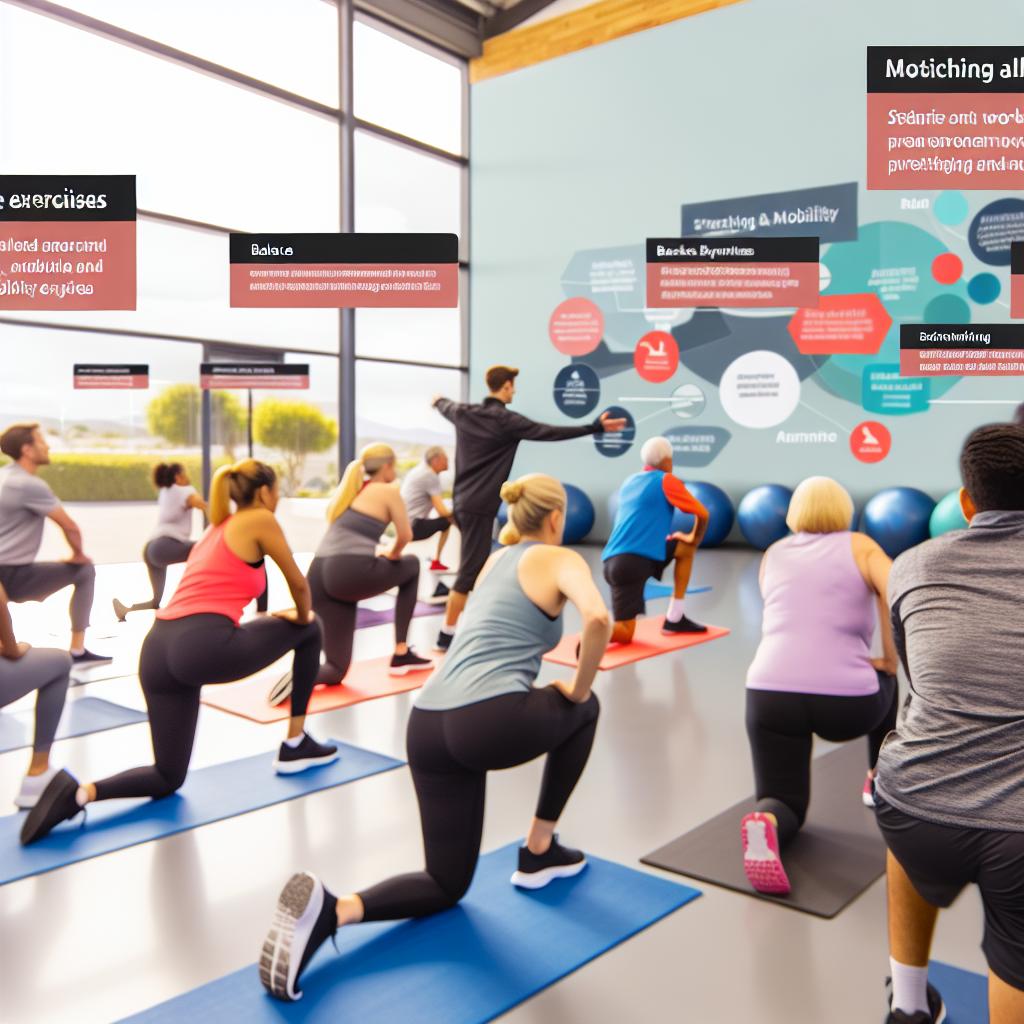
Incorporating stretching and mobility exercises into your workout plan is essential for maintaining lower back health. These exercises enhance flexibility, improve range of motion, and can help prevent injuries. Consider the following stretches to complement your routine:
- Cat-Cow Stretch: This dynamic stretch promotes spinal flexibility. begin on all fours, alternate between arching your back towards the ceiling and dipping it towards the floor.
- Child’s Pose: Sit back on your heels, stretch your arms forward, and lower your forehead to the ground. This pose helps to elongate your spine and relieve tension in the lower back.
- Seated Forward Bend: Sit with your legs extended, bend forward at the hips, and reach for your toes or shins to enhance flexibility in the hamstrings and lower back.
Mobility Exercises to Alleviate Lower Back Pain
Mobility exercises are crucial for keeping the lumbar spine flexible. Here are some effective moves:
- Hip circles: Stand on one leg and move the opposite knee in circular motions. This exercise helps lubricate the hip joints and enhances overall mobility.
- Pelvic Tilts: Lie on your back with knees bent. Flatten your lower back against the floor by tilting your pelvis upward.This movement strengthens your core and stabilizes your lower back.
- Wall Sits: Lean against a wall and slide down into a seated position, keeping your knees at a right angle. Hold this position to improve endurance in your leg muscles and alleviate pressure on your back.
guidelines for incorporating Stretching and Mobility into your Routine
Follow these steps to effectively include stretching and mobility exercises in your workout:
- Warm-Up: Always start with a gentle warm-up to prepare your muscles.
- Perform Static Stretches: After your workout,dedicate time to static stretching to promote flexibility. Hold each stretch for 15-30 seconds.
- Integrate Mobility Work: Aim for at least one mobility-focused session per week, focusing on lower body and spinal movements.
- Listen to Your Body: Modify stretches and exercises based on your comfort level and avoid pushing through pain.
FAQ
### What types of exercise machines are recommended for individuals with lower back problems?
When selecting exercise machines for lower back problems, it’s crucial to focus on those that promote strength, stability, and flexibility without putting excessive strain on the back. Here are some recommended machines and types of exercises:
– **Elliptical trainer**: Provides a low-impact cardio option that strengthens the lower body while reducing stress on the spine. It simulates running without the jarring impacts of a treadmill.
– **recumbent Bike**: This machine supports the back and allows for a comfortable, seated position while strengthening the leg muscles. The backrest can relieve pressure on the spine.
– **Cable Machines**: These machines allow for various resistance exercises that can strengthen the core and lower back muscles without compressive forces that could exacerbate pain.Incorporating these types of machines into your routine can enhance overall back health and functionality.Remember to start with lighter resistance and shorter duration, gradually increasing as your strength improves.
### How can I ensure safe usage of exercise machines to protect my lower back?
To protect your lower back while using exercise machines, follow these guidelines:
– **Warm Up**: always start with a warm-up to prepare your muscles and joints. This can include gentle stretching or light cardio for 5-10 minutes.
– **Adjust Your Machine**: Before starting, make sure the machine settings (seat height, back support) are correctly adjusted to fit your body. This ensures optimal posture and reduces strain.
– **Use Proper Form**: Focus on maintaining good posture throughout your exercises. Avoid arching your back or using jerky movements, which can increase the risk of injury.
– **Strengthen Gradually**: Begin with low resistance and increase gradually. This helps build strength without overloading your back.Listening to your body is key. If you experience pain while using a machine, stop and assess your form or consult a fitness professional for guidance.
### Are ther specific exercises or routines I should focus on for lower back strength?
Yes, there are specific exercises that can help strengthen your lower back safely. Incorporating machines into your routine can provide effective resistance for these exercises:
– **Seated Row (Cable Machine)**: This exercise strengthens the muscles of the upper and lower back,contributing to better stability.
– **Back Extension machine**: Designed to target the lower back muscles, this machine can help improve strength and endurance when used correctly.
– **Core Strengthening Exercises**: While not a machine, adding core workouts such as planks or abdominal crunches to your routine can significantly enhance your lower back support.
Aim for a balanced routine, incorporating these exercises 2-3 times a week. Always combine strength training with flexibility and mobility work, such as yoga or stretching, to promote overall spinal health.
### What should I look out for when choosing an exercise machine for my needs?
When choosing an exercise machine, consider the following factors:
– **User Comfort**: select machines that provide comfortable seating and support. Look for adjustable options that fit your body size and shape.
– **Ease of Use**: Ensure the machine is straightforward to operate.Complex machines can lead to improper usage, which might aggravate your back issues.- **Versatility**: A machine that offers multiple exercises can be beneficial. As an exmaple, a multi-gym allows for various movements, targeting different muscle groups.
– **Weight Capacity**: Verify that the machine can safely accommodate your weight and resistance needs.
Testing equipment before purchasing,if possible,helps ensure you find a machine that feels right for you.
### How important is professional guidance when starting an exercise routine for lower back health?
Professional guidance can be crucial for several reasons:
– **Personalized Assessment**: A fitness professional can assess your physical condition and tailor an exercise program specific to your lower back needs, ensuring safety and effectiveness.
– **Supervised training**: Initial sessions with a trainer can help you learn the correct form and techniques, significantly reducing the risk of injury.
– **Ongoing Support**: Having an expert available for questions and troubleshooting can provide confidence as you navigate your exercise routine.
Consider having a few sessions with a qualified trainer, particularly if you are new to exercising or have specific pain issues. Their expertise can guide you towards safe and effective workouts.
### What are the signs that I should stop exercising if I have lower back issues?
Recognizing when to stop exercising is essential for maintaining your back health. Here are signs to watch for:
- **Sudden Pain**: If you experience sharp, sudden pain during exercise, it’s crucial to stop instantly. distinguish between normal discomfort and pain; the latter often signals the need to halt activity.
– **Increased Discomfort**: Gradually increasing pain or discomfort post-exercise can indicate that the routine may need adjustment.
– **Numbness or tingling**: these sensations in the legs or buttocks can be warning signs of nerve involvement and necessitate immediate cessation of exercise.
If any of these symptoms occur, consult a healthcare provider for tailored advice. Maintaining awareness of your body’s signals ensures a safer, more effective exercise experience.
Concluding Remarks
## Conclusion: Choosing the Right Exercise Machine for Lower Back Problems
Selecting the best exercise machine for your lower back needs is an important step in managing pain and enhancing your overall fitness. here’s a swift summary to guide your choices:
### Key Takeaways
– **Consult a Professional**: Always consider talking to a healthcare provider before starting any exercise program, especially if you have chronic pain.
– **Low-Impact Options**: Focus on machines that minimize strain on your back:
– **Elliptical Trainers**: Offer a smooth motion and are gentle on the joints.
- **Recumbent Bikes**: Provide good back support while allowing a great workout.
– **Upright Stationary Bikes**: Effective for cardio; ensure proper posture to avoid strain [[3](https://www.quora.com/What-are-the-best-cardio-machines-for-people-with-back-problems)].
### Action Steps for Beginners
1. **Start Slow**: If you’re new to exercise, begin with shorter sessions (10-15 minutes) and gradually increase duration as you feel more comfortable.
2. **Listen to Your Body**: Pay attention to pain signals; stop if any movement causes discomfort.
3. **Focus on Form**: Whether using an elliptical or a bike, maintain a neutral spine and engaged core to protect your back.
### Remember
– Every individual is different; what works for one person may not work for another.Take the time to find out what feels best for you.
- Regularly maintain your chosen exercise machine to ensure safety and effectiveness.By integrating these guidelines into your fitness routine,you can effectively manage lower back problems and improve your overall health. Stay active and keep striving for a pain-free life!
Get our latest guides, news, and insights highlighted in your Google Search & AI Overviews.

