
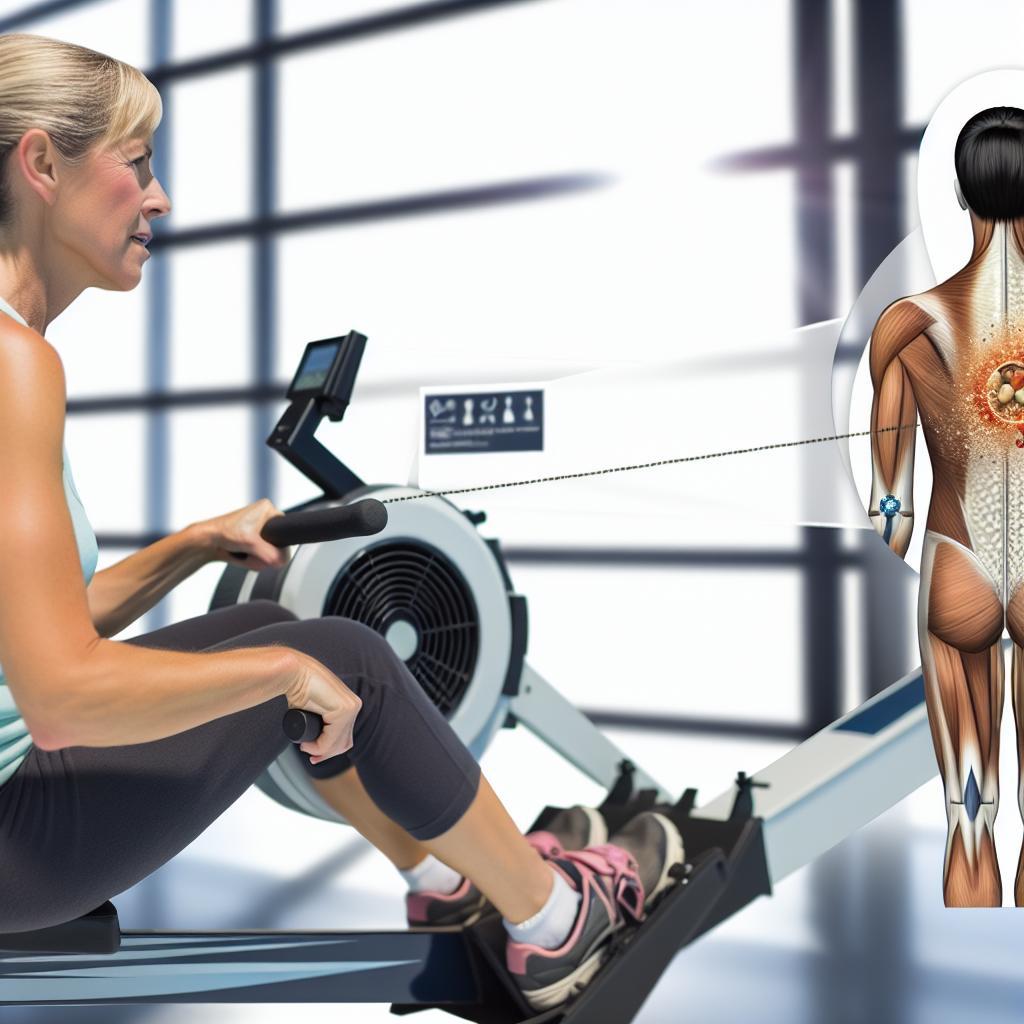
Struggling with lower back pain can be a barrier to enjoying an active lifestyle, leaving many to seek effective solutions.Rowing offers a low-impact alternative that strengthens core muscles while alleviating stress on the spine, making it a promising option for those aiming to relieve discomfort and enhance overall fitness. Discover how this dynamic exercise might be the key to your relief.
## Understanding Lower Back Pain and its Causes: Is Rowing a Good Exercise for Lower Back Pain? Benefits Explained
Benefits of Rowing for Lower Back Pain
Rowing is an effective full-body workout that can provide numerous benefits for those experiencing lower back pain. When performed correctly, it strengthens the muscles that support the spine, which may help alleviate discomfort.**Proper form** is crucial; focusing on spinal alignment and engaging key muscle groups ensures a safe and effective workout. strengthening these areas can reduce the strain on vertebral discs and joints, promoting better back health overall [[3]].
Key Techniques for Safe Rowing
- Maintain a neutral spine while rowing to prevent strain.
- Engage your core muscles throughout the exercise.
- Keep your feet firmly planted and hips stable.
- Use a smooth, controlled motion to avoid jerking movements.
Considerations and precautions
Before incorporating rowing into your routine,it’s essential to consider your current back condition. For some individuals, rowing may exacerbate pain if not done with the right mechanics. Consulting with a **fitness professional** or healthcare provider can help tailor your approach and possibly adjust technique or intensity [[2]].
while rowing can be beneficial for lower back pain, **emphasis on technique** and individual assessment is paramount to achieving positive results without risking further injury.

## How Rowing Works the Body: Addressing the Specific Benefits for Lower Back Pain
How Rowing Strengthens the Core and Back
Rowing is a low-impact exercise that effectively engages the core and back muscles, contributing to improved posture and reduced lower back pain. By utilizing a rowing machine, individuals can experience a full-body workout that focuses on the following muscle groups:
- Core Muscles: Enhances stability and support for the spine.
- Lower Back Muscles: Strengthens the erector spinae and surrounding areas.
- Upper Back Muscles: Promotes better posture and reduces strain.
Benefits for lower Back Pain Relief
Regular rowing can lead to notable pain relief for those suffering from lower back pain. This exercise promotes:
- Improved muscle Strength: Strengthens the muscles that support the spine, alleviating stress on painful areas.
- Enhanced Versatility: Encourages a greater range of motion in the lower back.
- Better Postural Habits: Helps reinforce proper alignment during daily activities.
Incorporating Rowing into Your Routine
To maximize the benefits of rowing for lower back pain, follow these guidelines:
- Start Slowly: Begin with 10-15 minute sessions, gradually increasing as comfort improves.
- Focus on Form: Maintain a straight back and engage your core throughout the rowing motion.
- Complement with Stretches: Implement gentle stretches post-workout to further alleviate tension.
Sample Stretch Routine for Lower Back Relief
| Stretch | Description | Duration |
|---|---|---|
| Cat-Cow Stretch | Alternately arch your back and round it while on all fours. | 1 minute |
| Knees to Chest | Lie on your back and pull your knees towards your chest. | 30 seconds |
| Child’s Pose | Sit back on your heels, extending your arms forward on the ground. | 1 minute |

## The Importance of Proper Form in Rowing: Techniques to Protect Your Lower Back
maintaining Proper Posture
Proper form in rowing is crucial to prevent lower back pain, which affects a significant number of rowers. To maintain a healthy posture:
- Keep your spine neutral: Avoid rounding your lower back during the stroke. Aim for a straight back to evenly distribute forces across your body.
- Engage your core: A strong core helps stabilize your spine. Focus on tightening your abdominal muscles before each stroke.
- Use your legs: The power in rowing should primarily come from your legs rather than your back.Initiate each stroke by pushing with your legs, followed by a gentle lean back.
Techniques to Protect Your Lower Back
Implementing specific techniques can considerably reduce the risk of back injuries while rowing:
- Practice proper timing: Coordinate your movements. As you push with your legs, allow your back to hinge at the hips, not rounding.
- incorporate flexibility exercises: Engage in stretches that focus on hip flexors, hamstrings, and lower back. Consider the following:
- Hip Flexor Stretch
- Hamstring Stretch
- Child’s Pose
- Use the right equipment: ensure your rowing machine is properly adjusted to your body size. the seat height and foot placement can affect your posture.
Sample Stretch Routine for Rowers
| Stretch | Duration | Repetitions |
|---|---|---|
| Hip Flexor Stretch | 30 seconds each side | 2 |
| Hamstring Stretch | 30 seconds each side | 2 |
| Child’s Pose | 30 seconds | 3 |
By focusing on maintaining proper form and incorporating these techniques, rowers can effectively protect their lower backs while enjoying the myriad benefits of this low-impact exercise.

## Practical Rowing Exercises: Incorporating Rowing for Lower Back Pain Relief
Understanding Rowing for Lower Back Pain Relief
Rowing is not only a great full-body workout but can also be a beneficial exercise for individuals dealing with lower back pain. This low-impact activity helps strengthen the back muscles, improving posture and enhancing overall stability. Before incorporating rowing into your routine, consider the following tips to ensure you maximize benefits while minimizing the risk of injury.
key Techniques for Safe Rowing
- Proper Form: Maintain a straight back and engage your core throughout the exercise. Avoid rounding your shoulders or arching your back.
- Progress Gradually: start with shorter sessions at a lower intensity to allow your body to adapt. Increase duration and resistance slowly.
- Warm-Up and Cool Down: Engage in gentle stretching and warm-up exercises to prepare your muscles before rowing and cool down afterward to prevent stiffness.
Recommended Rowing Exercises
Incorporate the following rowing exercises into your routine to help alleviate lower back pain:
Seated Row With Resistance Bands
This exercise mimics the rowing motion while targeting the back effectively:
- Sit on the floor with your legs extended in front of you.
- Loop a resistance band around your feet and grasp the ends with both hands.
- Pull the band towards you while keeping your back straight,squeezing your shoulder blades together.
- Slowly return to the starting position and repeat for 10-15 reps.
Rowing Machine Technique
When using a rowing machine, follow these steps:
- Adjust the foot straps to secure your feet comfortably.
- Begin in the starting position, sitting tall with your knees bent and back straight.
- Drive through your legs, leaning back slightly as you pull the handle towards your chest.
- Extend your arms and return to the starting position smoothly.
Benefits of Rowing for back Pain
Integrating rowing into your exercise regimen can yield numerous benefits for those with lower back pain:
- Strengthens Core Muscles: Rowing engages core muscles,which can provide better support for the spine.
- Improves Flexibility: The motion encourages better spinal flexibility and mobility.
- enhances Circulation: Rowing promotes better blood flow,aiding recovery and reducing tension in the back.
adapting these practical rowing exercises into your lifestyle can significantly contribute to lower back pain relief and overall physical wellness.

## Essential Stretches and Warm-ups: Preparing Your body for Rowing to Prevent Lower Back Pain
importance of Stretches and Warm-ups
Before hitting the water or rowing machine, it’s crucial to prepare your body properly to prevent lower back pain. Effective stretches and warm-ups can enhance flexibility,increase blood flow,and prime your muscles for the rowing movement. this helps to mitigate the risk of muscular strain and aligns your body for optimal performance.
Essential Stretches
Incorporating a series of targeted stretches can be notably beneficial. Here are some key stretches to perform:
- Cat-Cow Stretch: Start on all fours, arch your back while inhaling (cow), and round it while exhaling (cat). Repeat for 5-10 cycles.
- Seated Forward Bend: Sit with legs extended, reach towards your toes, and hold for 20-30 seconds to stretch your lower back and hamstrings.
- Hip Flexor Stretch: Step one foot forward in a lunge position,pressing hips downward.Hold for 20-30 seconds on each side.
Warm-up Routine
Follow this simple warm-up routine to further prepare your body:
- Light Cardio: engage in 5 minutes of brisk walking or cycling to get your heart rate up.
- Dynamic Stretching: Perform arm circles and torso twists to enhance upper body mobility.
- Rowing-Specific Movements: Mimic rowing motions without resistance for 2-3 minutes to activate your core and back muscles.
Precautions
When incorporating these stretches and warm-ups, remember to:
- Maintain smooth, controlled movements.
- Listen to your body and avoid overexertion.
- Stay hydrated,especially before,during,and after your workout.

## Challenges of Rowing with Lower Back Pain: What to Consider Before Starting
Understanding the Risks of Rowing with Lower Back pain
Rowing can be a low-impact exercise that effectively strengthens the back, but it presents unique challenges, especially for those dealing with lower back pain. The repetitive motion and posture required in rowing might exacerbate existing issues, as nearly 31.8% of rowing injuries affect the lumbar spine [[1]]. It’s crucial to evaluate your body mechanics and consider adjustments to your technique and equipment, as improper form can lead to increased strain.
Key Considerations
- Posture: Maintaining a neutral spine throughout the rowing motion is essential. Over time, improper posture may contribute to muscle fatigue and pain.
- Flexibility: Insufficient flexibility, particularly in your hamstrings, can lead to stress on your lower back. Stretching exercises targeting the hamstrings and hip flexors are beneficial.
- Core Strength: A strong core supports your back,helping to stabilize your body during each stroke. incorporate core-strengthening exercises such as planks and bridges.
Pre-Rowing Preparations
before starting your rowing session,consider integrating a warm-up routine that includes dynamic stretches. This can help prepare your muscles and joints:
Recommended Warm-Up Stretches
- Cat-Cow Stretch: This stretch improves spine flexibility and can ease tension.
- Seated Forward Bend: Target your hamstrings and lower back by reaching toward your toes.
- Hip Flexor Stretch: Ensure your hips are flexible to avoid stressing your back during the rowing motion.
Listening to your body is vital; if you feel pain while rowing, it may be wise to adjust your technique or consult with a physical therapist specializing in sports-related injuries. With proper precautions and adjustments, rowing can be an effective addition to your fitness regimen, even for those managing lower back pain.

## Tips for Creating a Balanced Exercise Routine: Enhancing Lower Back Health Through Rowing
Understanding Rowing’s Impact on Lower Back Health
Rowing is a low-impact exercise that engages multiple muscle groups, particularly in the legs, back, and arms, making it an excellent choice for enhancing overall strength while promoting lower back health. Maintaining proper form and technique during rowing can reduce the risk of injury and tension in the lower back. It is essential to focus on core stability, as this supports the spine and helps in distributing the workload evenly across your body.
Tips for Effective Rowing
- Engage Your Core: Before rowing, tighten your abdominal muscles to provide support for your lower back.
- Maintain Proper Posture: Keep your back straight and avoid rounding your shoulders. Initiate the stroke with your legs, not your back.
- Perform Regular Stretching: Incorporate stretches for the hamstrings and hip flexors to enhance flexibility and reduce stiffness.
Complementary Exercises for Lower Back Health
In addition to rowing, engaging in strength training can further support lower back health. Consider adding the following exercises to your routine:
- deadlifts: Focus on form to strengthen the lower back.
- Supermans: Lie face down and lift your arms and legs to strengthen your lower back muscles.
- Planks: Hold a plank position to engage both your core and lower back.
Sample Stretching Routine
| Stretch | Duration | Repetitions |
|---|---|---|
| Cat-Cow Stretch | 30 seconds | 3 |
| Child’s Pose | 30 seconds | 3 |
| Seated Forward Bend | 30 seconds | 3 |
By incorporating these tips and exercises, you can create a balanced routine that not only enhances your rowing performance but also supports and strengthens your lower back, promoting overall wellness and reducing the risk of pain.
## Home Remedies and Recovery Techniques: Complementing Rowing for Lower Back Pain management
Stretching and Strengthening Exercises
Complementing your rowing routine with targeted stretching and strengthening exercises can significantly enhance lower back pain management. Incorporating stretches helps improve flexibility and reduce tension,while strengthening exercises build resilience in the core and back muscles.
Effective Stretches
- Cobra Stretch: Lie face down, place your hands under your shoulders, and push your upper body up gently while keeping your hips on the floor. Hold for 20-30 seconds.
- knees-to-Chest Stretch: While lying on your back,pull your knees to your chest while keeping your back flat against the floor. Hold for 20-30 seconds.
- Child’s Pose: Kneel on the floor,sit back on your heels,and reach your arms forward as you lower your chest towards the ground. Hold for 20-30 seconds.
Recovery Techniques
In addition to rowing and stretching, consider integrating recovery techniques to manage lower back pain effectively:
- Heat therapy: Apply a warm compress or heating pad to the lower back to relax tense muscles.
- Cold Therapy: Use ice packs to reduce inflammation and numb pain after intense workouts.
- Foam Rolling: Utilize a foam roller to massage tight areas in your back, promoting muscle release and improving blood flow.
Maintaining Proper Form in Rowing
Ensuring proper form when using the rowing machine is crucial to prevent exacerbating lower back pain:
- Engage your core: Keep your abdominal muscles tight and engaged throughout the rowing motion.
- Maintain a neutral spine: Avoid rounding your back; keep it straight as you row.
- Utilize legs frist: Focus on driving with your legs and then following through with your back to distribute the effort evenly.
| Technique | Description |
|---|---|
| Heat Therapy | Relaxes tense muscles with warmth. |
| Cold Therapy | Reduces inflammation and numbs pain. |
| Foam Rolling | Massages tight areas and improves blood flow. |

Q&A
### Is Rowing Beneficial for Lower Back Pain Relief?
**Yes,rowing can be beneficial for lower back pain relief,but it depends on several factors.** Rowing workouts can improve muscle support for your spine, which may help reduce the strain on vertebral discs and joints. This strengthening occurs because rowing engages not only your back muscles but also your core, legs, and arms, leading to a balanced and robust musculature [[1](https://hydrow.com/blog/is-rowing-good-for-your-back/)].
Though, it’s essential to practice proper rowing techniques and ensure that your form is correct to avoid exacerbating any existing back issues. incorporating stretching and flexibility exercises alongside your rowing routine can enhance your overall results and help maintain a healthy back. If you experience pain while rowing, it is indeed advisable to consult with a healthcare professional.
### What Are the Risks of Rowing for Individuals with Back Pain?
**While there are many benefits, rowing can pose risks for individuals with lower back pain.** The repetitive nature of rowing can lead to overuse injuries, particularly in the lumbar region. According to statistics, approximately 31.8% of rowing injuries impact the lower back [[2](https://complete-pilates.co.uk/rowing-and-back-pain/)]. This underlines the importance of understanding your body’s limits and recognizing symptoms of pain before they develop into more significant issues.
To minimize risks, consider the following tips:
– **Warm-Up**: Engage in a proper warm-up to prepare your muscles.
– **Modify Technique**: Pay attention to your stance and movement pattern while rowing to avoid straining your back.
– **Start Slow**: If you’re new to rowing, start with low resistance and gradually increase intensity.
### How Should I incorporate Rowing Into My Exercise Routine?
**Incorporating rowing into your exercise routine can be straightforward and effective.** Begin by scheduling sessions 2-3 times a week,gradually increasing frequency as your strength and endurance improve.Here’s a step-by-step guide to get you started:
1. **Warm-Up**: Spend 5-10 minutes warming up with dynamic stretches focusing on your back, hips, and legs.
2.**Rowing Session**: Aim for 20-30 minutes of moderate-intensity rowing, maintaining a steady pace and focusing on form.
3. **Cool Down**: End with stretching exercises, paying special attention to your lower back and hip flexors.**Consistency is key**. Over time, even short sessions can lead to considerable betterment in muscle strength and back health.
### What Technique should I Use to Prevent Back Pain While Rowing?
**Using the right technique is critical to preventing back pain during rowing.** Here’s a breakdown of proper rowing form to help protect your lower back:
– **Seating Position**: Sit tall on the ergometer with your spine aligned. Avoid slouching, as this puts additional stress on your back.
– **Grip**: Hold the handle with a relaxed grip,not allowing tension to travel up your arms to your shoulders or back.
– **Movement**: Focus on the sequence of your movements—legs first, followed by leaning back slightly (not overextending), followed by pulling with your arms.
by following this sequence, you can engage your core and back muscles effectively, promoting a balanced workout without undue stress on your lower back.
### Can Rowing Help Strengthen My Back Muscles?
**Absolutely! Rowing is an excellent full-body workout that strengthens back muscles.** The exercises involved in rowing target multiple muscle groups, including the erector spinae, latissimus dorsi, and other stabilizing muscles, which are all crucial for supporting the spine.
To maximize muscle engagement:
– **Focus on Core Stability**: Engage your abdominal muscles while rowing, providing additional support to your lower back.- **Incorporate Variations**: Experiment with different rowing intensities and intervals to challenge your muscles effectively.
**Building back strength through rowing can lead to improved posture** and reduced risk of future injuries.
### Should I Consult a Doctor Before Starting Rowing for Back Pain?
**Yes, consulting a doctor or physical therapist is a wise step before starting any new exercise regimen, especially if you have a history of back pain.** A healthcare professional can evaluate your specific condition, providing personalized recommendations and ensuring that rowing is a safe choice for you.
– **Assessment**: They might assess your range of motion, strength, and any imbalances that could affect your rowing technique.
– **Tailored Advice**: A healthcare professional can offer tailored exercises to complement your rowing routine, such as core strengthening or flexibility work.
By taking these precautions, you’ll set a firm foundation for starting your rowing journey while protecting your back health.
Concluding Remarks
## Conclusion: Taking Steps Towards a Stronger Back with Rowing
rowing can be an excellent exercise for those dealing with lower back pain. It offers a unique combination of benefits that support core stability, improve posture, and strengthen back muscles. Here’s a quick recap of the key points discussed:
### Key Benefits of Rowing for Lower Back Pain:
– **Strengthens Core Muscles:** Targeting the core helps in providing essential support to the lower back [[1](https://www.norahealth.ai/post/rowing-good-for-lower-back-pain-benefits-and-tips-explained)].
– **Low-Impact Exercise:** Rowing is gentle on the spine, reducing the risk of further injury compared to high-impact activities [[1](https://www.norahealth.ai/post/rowing-good-for-lower-back-pain-benefits-and-tips-explained)].
– **Full-Body Workout:** Engages multiple muscle groups, ensuring a complete strengthening effect [[2](https://augletics.de/en/blog/ist-rudern-gut-fuer-den-ruecken-die-fakten-und-vorteile-im-ueberblick)].
### Actionable Tips:
– **Start Slow:** If you’re new to rowing or have existing back pain, begin with shorter sessions and gradually increase the duration as your strength improves.
– **focus on Form:** Proper rowing technique is crucial. Ensure you maintain a straight back and engage your core throughout the movement to prevent strain [[3](https://www.drscotthompson.com/rowing-to-help-back-pain/)].
– **Consult a Professional:** consider speaking with a physical therapist or trainer familiar with back rehabilitation to create a safe workout plan tailored for you.
By incorporating rowing into your routine, you can take proactive steps towards relieving lower back discomfort while building strength.Remember, it’s essential to listen to your body and seek medical advice when necessary.
Embrace the journey to a healthier back—one stroke at a time!
Get our latest guides, news, and insights highlighted in your Google Search & AI Overviews.

